What to Expect During a Commercial Foundation Inspection
People seeking what to expect during a commercial foundation inspection can rely on local contractors to assess structural integrity and identify potential issues.
Understanding what to expect during a commercial foundation inspection can help property owners feel more prepared for this important step. Whether managing a new construction project, assessing potential issues, or maintaining an existing building, knowing the process can provide peace of mind. Local contractors who specialize in foundation inspections are equipped to evaluate the structural integrity of commercial properties thoroughly, helping owners identify potential concerns early and plan accordingly. As you continue reading, you'll discover practical insights into the typical steps involved and how experienced service providers can assist in ensuring your property’s foundation remains sound.
For property owners in the area, exploring what occurs during a commercial foundation inspection is a valuable part of maintaining a safe and stable building. These inspections often include visual assessments, measurements, and sometimes specialized testing to detect underlying issues. Engaging with local service providers who perform these inspections can ensure the process is comprehensive and tailored to the specific needs of your property. Keep reading to learn more about the inspection process and how trusted professionals can support your efforts to protect your investment.
- Commercial building owners - when signs of foundation issues appear, local contractors perform thorough inspections to assess structural integrity.
- Property managers - during routine evaluations or before leasing, service providers evaluate foundation conditions to prevent future problems.
- Business investors - prior to purchasing or selling commercial properties, experienced pros conduct foundation assessments to inform decisions.
- Construction companies - before starting new projects or renovations, local experts inspect existing foundations to ensure stability.
- Insurance adjusters - after damage reports, service providers evaluate foundations to determine repair needs and coverage considerations.


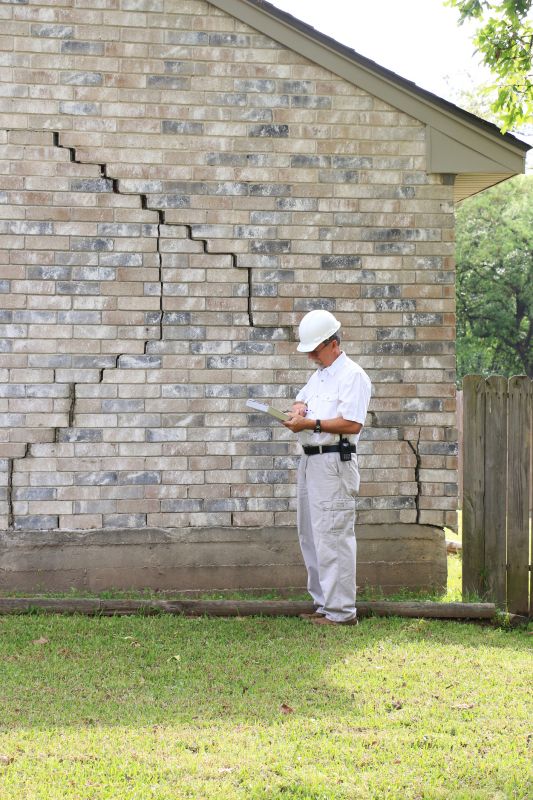
When searching for information about what to expect during a commercial foundation inspection, property owners and managers are often looking to understand the process involved in evaluating the structural integrity of a commercial building’s foundation. This type of inspection is typically requested when there are concerns about potential settlement, cracks, or shifting that could compromise the stability of the property. It’s also common to seek an inspection before purchasing a commercial space or during routine maintenance to ensure the foundation remains sound over time. Understanding what the inspection entails helps stakeholders prepare for the assessment and ensures they receive a thorough evaluation of the foundation’s condition.
Commercial foundation inspections are closely related to problems such as foundation settlement, cracking, or uneven floors, which can indicate underlying issues that require attention. These inspections are also relevant for plans involving renovations, expansions, or new construction projects where a stable foundation is critical. Property owners may notice signs like visible cracks in walls or floors, doors and windows that no longer align properly, or uneven surfaces, all of which can prompt a foundation assessment. Service providers experienced in commercial foundation inspections can identify these problems early, helping to prevent costly repairs or structural failures down the line.
The types of properties that typically come up during these inspections include retail centers, office buildings, warehouses, industrial facilities, and multi-family apartment complexes. These structures often have large footprints and are built on various soil types, which can influence foundation stability. Commercial properties are generally more complex than residential buildings, requiring specialized knowledge of foundation systems such as pier and beam, slab-on-grade, or deep foundations. Local contractors who perform commercial foundation inspections are familiar with the unique challenges these property types face and can provide tailored evaluations to meet the specific needs of each project.
During a commercial foundation inspection, professionals will conduct a visual assessment of the entire foundation and surrounding areas, looking for signs of distress like cracks, movement, or water damage. They may also use specialized tools to measure shifts or evaluate soil conditions that could impact stability. The inspection process often includes examining the foundation’s structural components, checking for proper drainage, and assessing the overall condition of the property’s base. Property owners should understand that this inspection is a key step in identifying potential issues early, allowing them to plan repairs or reinforce the foundation as needed. Local service providers are equipped to handle these evaluations, providing the insights necessary to maintain the safety and longevity of commercial buildings.
Soil Testing Projects - These projects involve evaluating ground conditions to ensure stability, which shares skills in site assessment and planning with commercial foundation inspections.
Structural Assessments - Conducting evaluations of building integrity requires similar inspection techniques and attention to detail as those used during foundation evaluations.
Retrofitting and Reinforcement Projects - Installing additional support structures or reinforcements involves planning and assessment skills comparable to foundation inspection processes.
Drainage System Evaluations - Assessing drainage and water management systems relates to understanding soil and foundation interactions critical in foundation inspections.
Concrete and Masonry Inspections - Examining the condition of concrete and masonry elements requires similar visual and structural evaluation skills used in foundation assessments.
Site Preparation Services - Preparing land for construction involves planning and soil analysis skills that are also important during foundation inspections.
When evaluating commercial foundation inspection services, it is important to consider the experience of local contractors with similar projects. A service provider with a background in inspecting foundations for commercial properties can better identify potential issues specific to larger structures and complex soil conditions. Homeowners should inquire about the types of commercial buildings the pros have worked on and whether they have encountered challenges comparable to their own property. This experience can help ensure that the inspection covers all relevant concerns and provides a comprehensive assessment of the foundation’s condition.
Clear, written expectations are essential when comparing service providers for a commercial foundation inspection. Reputable contractors should be able to outline what their inspection process involves, including the areas they will examine and the types of issues they will look for. Having this information in writing helps homeowners understand what to anticipate during the inspection and ensures there are no surprises. It also provides a basis for comparing different providers’ scope of work and professionalism, making it easier to select a service that aligns with specific needs.
Reliable references and strong communication are key factors when choosing local contractors for a foundation inspection. Service providers with a history of satisfied clients and positive references demonstrate a track record of dependable work. Additionally, clear and responsive communication throughout the process helps homeowners feel informed and confident in the inspection’s progress and findings. Good communication also facilitates discussing any concerns or questions that may arise, ensuring a smooth and transparent experience from the initial consultation through the completion of the inspection.
Property owners often search for what to expect during a commercial foundation inspection when they are planning practical projects around their homes and businesses. Local pros provide Commercial Foundation Inspection services for everyday jobs and straightforward project options.
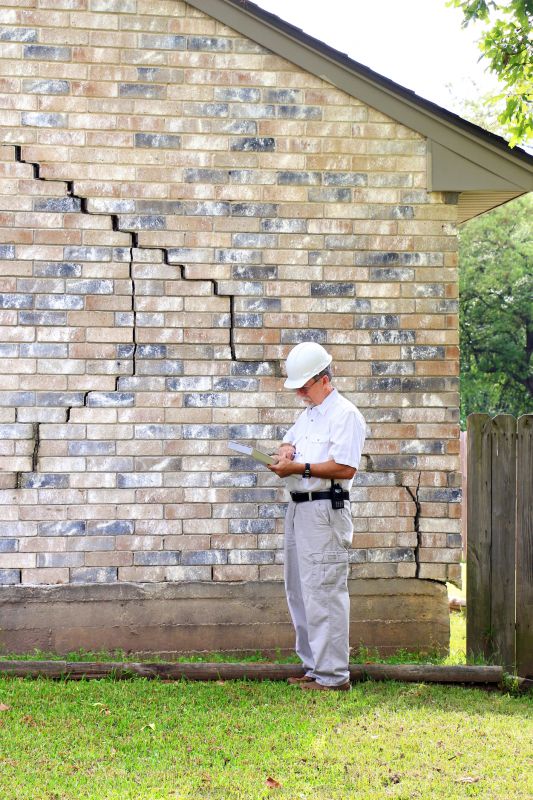

During a commercial foundation inspection, property owners can expect a thorough assessment of the building’s structural base. Local contractors typically begin with a visual examination of the foundation’s exterior and interior, looking for signs of cracking, shifting, or water damage. They may also evaluate nearby landscaping and drainage conditions that could affect the stability of the foundation. This process helps identify any existing issues that might compromise the integrity of the structure, providing property owners with a clearer understanding of the foundation’s current condition.
Throughout the inspection, service providers often use specialized tools to measure foundation movement or uneven settling. They may also probe areas of concern to check for underlying problems that aren’t immediately visible. Property owners might be asked to provide information about past repairs or changes to the building that could influence the foundation’s health. Understanding what to expect during a commercial foundation inspection can help owners prepare for the process and make informed decisions about necessary repairs or further evaluations. Local contractors are equipped to handle these assessments and can offer guidance tailored to the specific needs of commercial properties in the area.
What happens during a commercial foundation inspection? During a commercial foundation inspection, local contractors evaluate the foundation's condition by examining structural elements, looking for signs of damage or deterioration, and assessing soil stability around the building.
What should I expect the inspector to look for? Inspectors typically check for cracks, uneven settling, water damage, and any indications of foundation movement or stress that could affect the building’s stability.
How is the inspection conducted? The process often involves visual inspections of accessible areas, measurements of foundation levels, and sometimes the use of specialized tools to detect subsurface issues or movement.
Will the inspector perform any testing? Yes, some local service providers may perform non-invasive tests, such as soil analysis or moisture assessments, to better understand underlying conditions affecting the foundation.
What are common signs of foundation problems to watch for? Signs include visible cracks in walls or floors, doors or windows that don’t close properly, uneven flooring, or gaps around window frames and doorjambs.
Understanding inspection scope - property owners can learn what areas and components will be evaluated during a commercial foundation inspection by local contractors.
Preparing for the process - knowing what to expect helps owners get their site ready, such as clearing access points and noting any existing issues.
Identifying potential concerns - the inspection can reveal signs of foundation movement or damage, guiding property owners on necessary repairs or further assessments.
Learning about inspection methods - property owners gain insight into techniques like visual checks and basic testing that local service providers use to assess foundation stability.
If you are thinking about what to expect during a commercial foundation inspection for a property, this guide is meant to help you understand this topic, the typical project types, and how different options might fit your plans.
When you are ready, you can use the quote form on this page to share a few details about your project. From there, local pros can review the basics and follow up with options that match what you have in mind.